Posted: Tue Dec 28, 2021 10:08 pm
Therese,
Not sure about all ephemerides but the Swiss Ephemeris on Astrodienst is based upon the planetary and lunar ephemeris DE431 developed by NASA's Jet Propulsion Laboratory with 0.001 arcseconds precision.
Not sure if they all feed from the same source but we can safely say that they have an 'astronomical' source, not something developed by astrologers.
As explained here
https://solarsystem.nasa.gov/basics/chapter5-1/
"A node needs a 'reference plane' such as the ecliptic or the celestial equator.
Orbiting the Sun you would choose the ecliptic plane, orbiting and studying Venus it would make sense to use an extension of Venus's equatorial plane, etc."
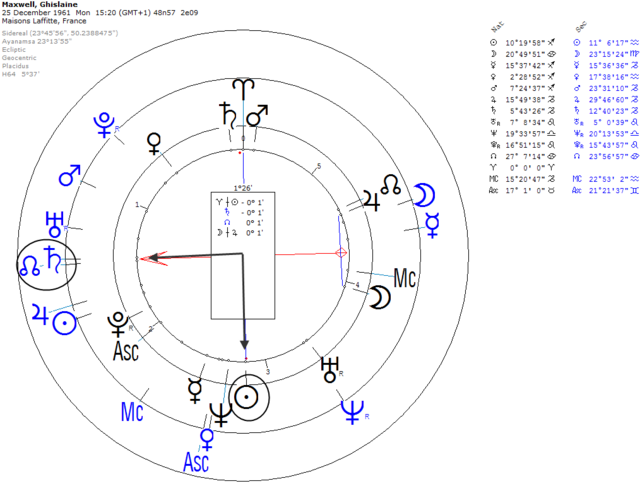
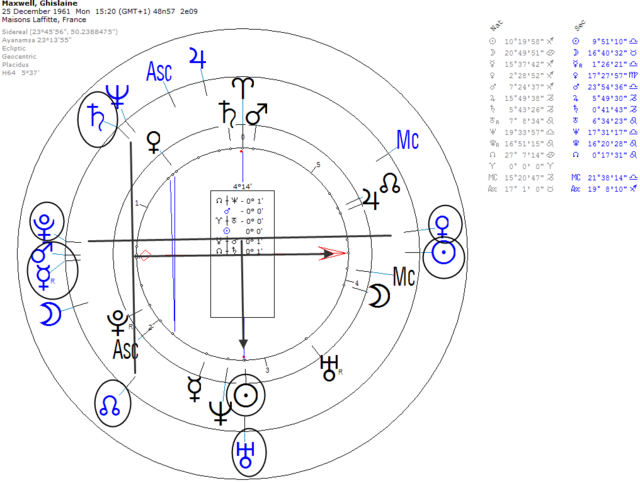
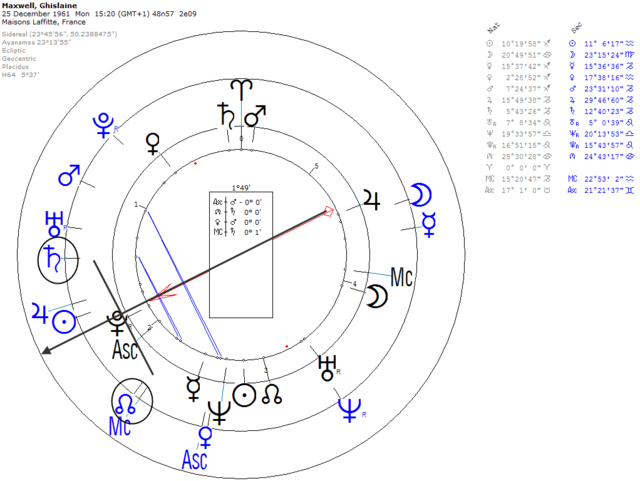
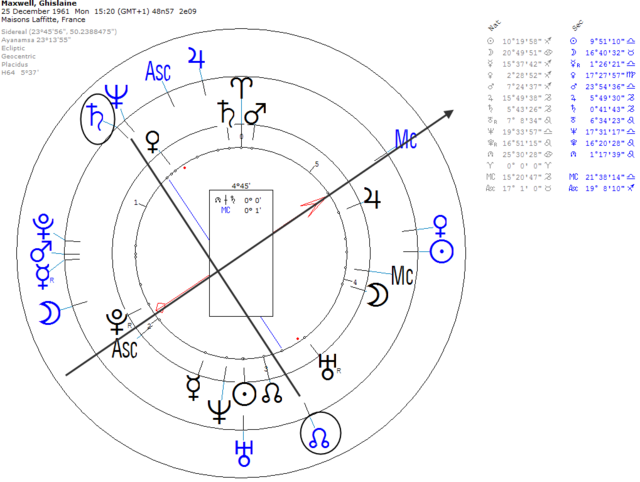
By extension, I assume that they use the plane of the Moon for the Moon's Nodes. But since the Moon wobbles or is constantly moving, they use a set of 'measurements' like eccentricity, inclinations and more to find the position of the Nodes. And since it involves several measurements, they call it Mean.
I am not sure when the term 'True' came in and on from what plane it was defined but my understanding was that the Ancients used the Mean Node.
The True Node represents the actual position of the moon at a particular point in time. The Mean node, on the other hand, is a mathematical calculation which utilizes a 'set of measurements' to correct for minor variances in the moon’s path in order to produce a more accurate position.
That is my understanding of it and it is possible that the Betz Ephemeris is using the same premise as the NASA or a different one. And I am no expert in the matter. My gut feeling is that using Time only for the True Node, you are missing the Space factor in it. Similar to looking at a planet in longitude only and not looking at the Latitude and Declination that astronomers are so fond of because they measure the planets by Right Ascension.
Not sure about all ephemerides but the Swiss Ephemeris on Astrodienst is based upon the planetary and lunar ephemeris DE431 developed by NASA's Jet Propulsion Laboratory with 0.001 arcseconds precision.
Not sure if they all feed from the same source but we can safely say that they have an 'astronomical' source, not something developed by astrologers.
As explained here
https://solarsystem.nasa.gov/basics/chapter5-1/
"A node needs a 'reference plane' such as the ecliptic or the celestial equator.
Orbiting the Sun you would choose the ecliptic plane, orbiting and studying Venus it would make sense to use an extension of Venus's equatorial plane, etc."
By extension, I assume that they use the plane of the Moon for the Moon's Nodes. But since the Moon wobbles or is constantly moving, they use a set of 'measurements' like eccentricity, inclinations and more to find the position of the Nodes. And since it involves several measurements, they call it Mean.
I am not sure when the term 'True' came in and on from what plane it was defined but my understanding was that the Ancients used the Mean Node.
The True Node represents the actual position of the moon at a particular point in time. The Mean node, on the other hand, is a mathematical calculation which utilizes a 'set of measurements' to correct for minor variances in the moon’s path in order to produce a more accurate position.
That is my understanding of it and it is possible that the Betz Ephemeris is using the same premise as the NASA or a different one. And I am no expert in the matter. My gut feeling is that using Time only for the True Node, you are missing the Space factor in it. Similar to looking at a planet in longitude only and not looking at the Latitude and Declination that astronomers are so fond of because they measure the planets by Right Ascension.